2 hr 30 min
Rome Highlights: Pantheon, Trevi, Spanish Steps & Navona Guided Tour
See Rome's four most beloved landmarks on a 2.5-hour walk, with inside access to the Pantheon and Trevi area.
Reserve
Beneath the marble basin, a Roman city sleeps in water.
Hand-picked by our editors — only the best 5 experiences from 38 reviewed.
Verified partners for Trevi Fountain Underground tours, free cancellation where available, and instant confirmation on every booking.
2 hr 30 min
See Rome's four most beloved landmarks on a 2.5-hour walk, with inside access to the Pantheon and Trevi area.
ReserveDiscover the Trevi Fountain's secrets, then descend 9m to a 2,000-year-old working aqueduct below Rome's streets.
Reserve
1 hr
Toss a coin at the Trevi Fountain, then descend into Ancient Rome's hidden 'City of Water' with an archaeologist.
Reserve
2 hr
Descend beneath Rome to the ancient City of Water, then discover the Trevi Fountain and a hidden Art Nouveau gem.
Reserve
2 hr
Descend beneath Rome's busiest squares to explore hidden ruins, ancient waterways, and a lost stadium.
ReservePrices from verified partners. Availability updates in real time at checkout. Free cancellation policies apply where shown.
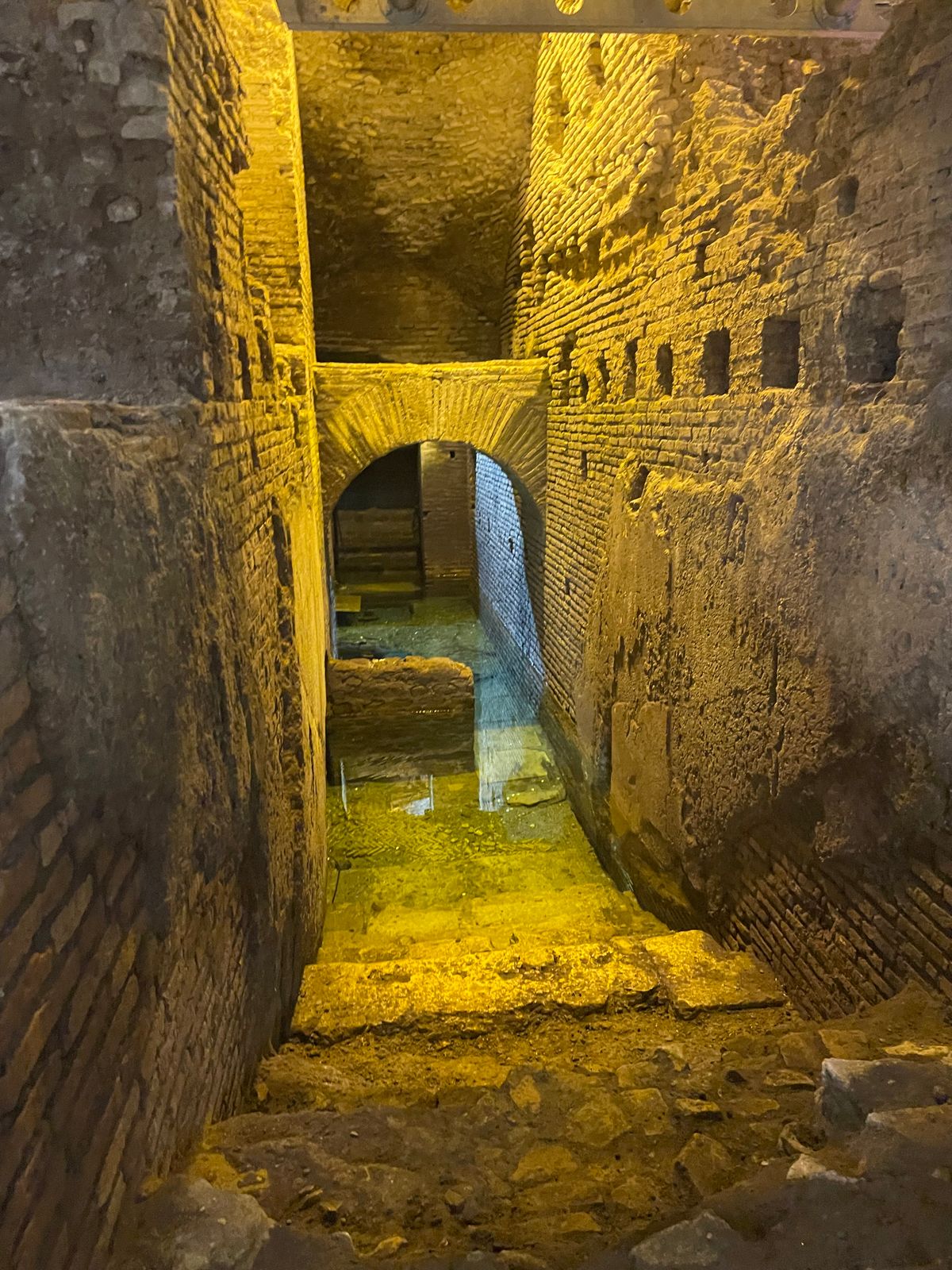
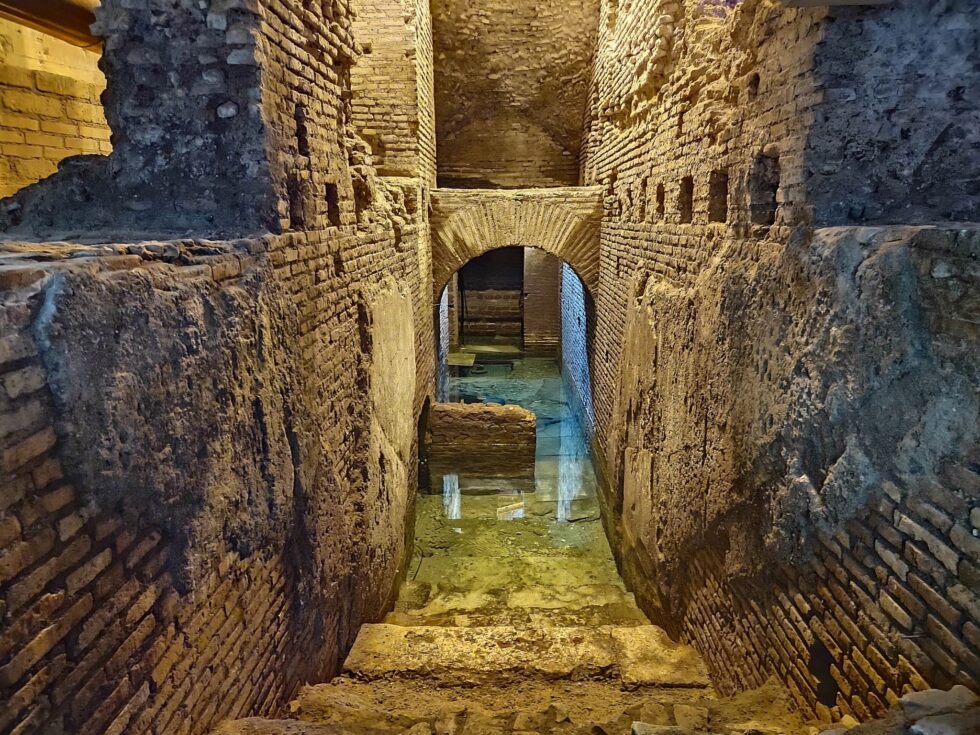
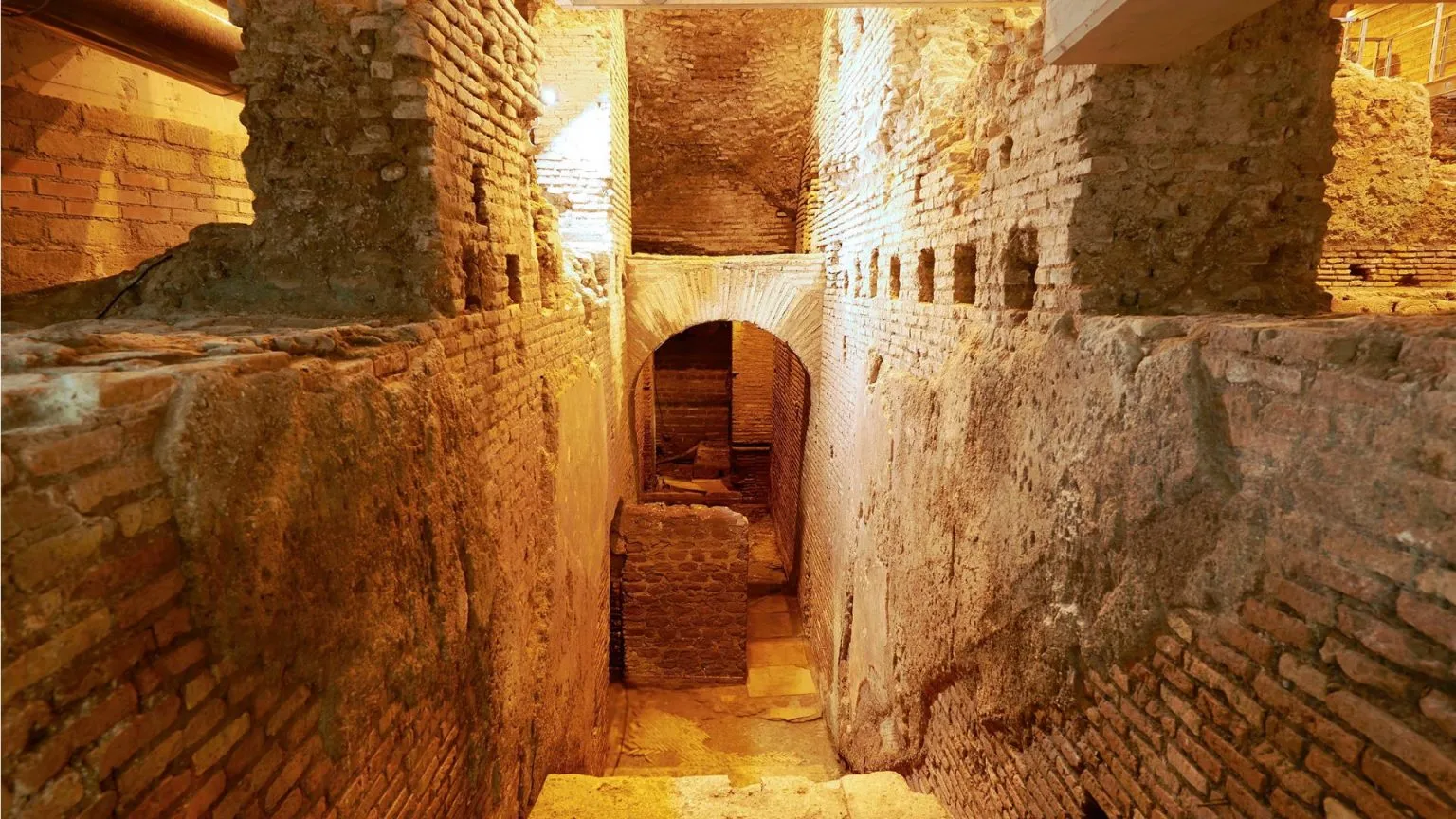
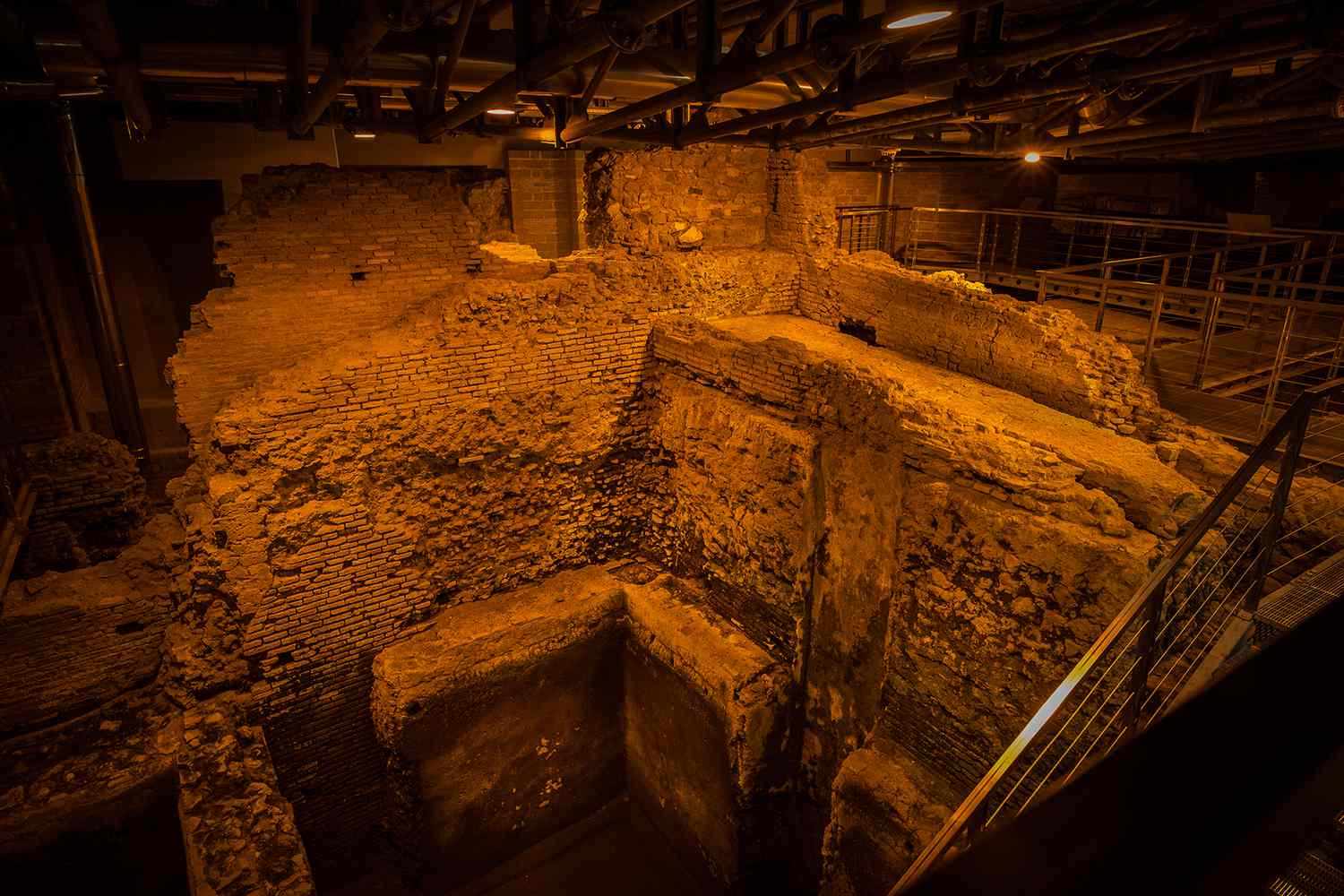
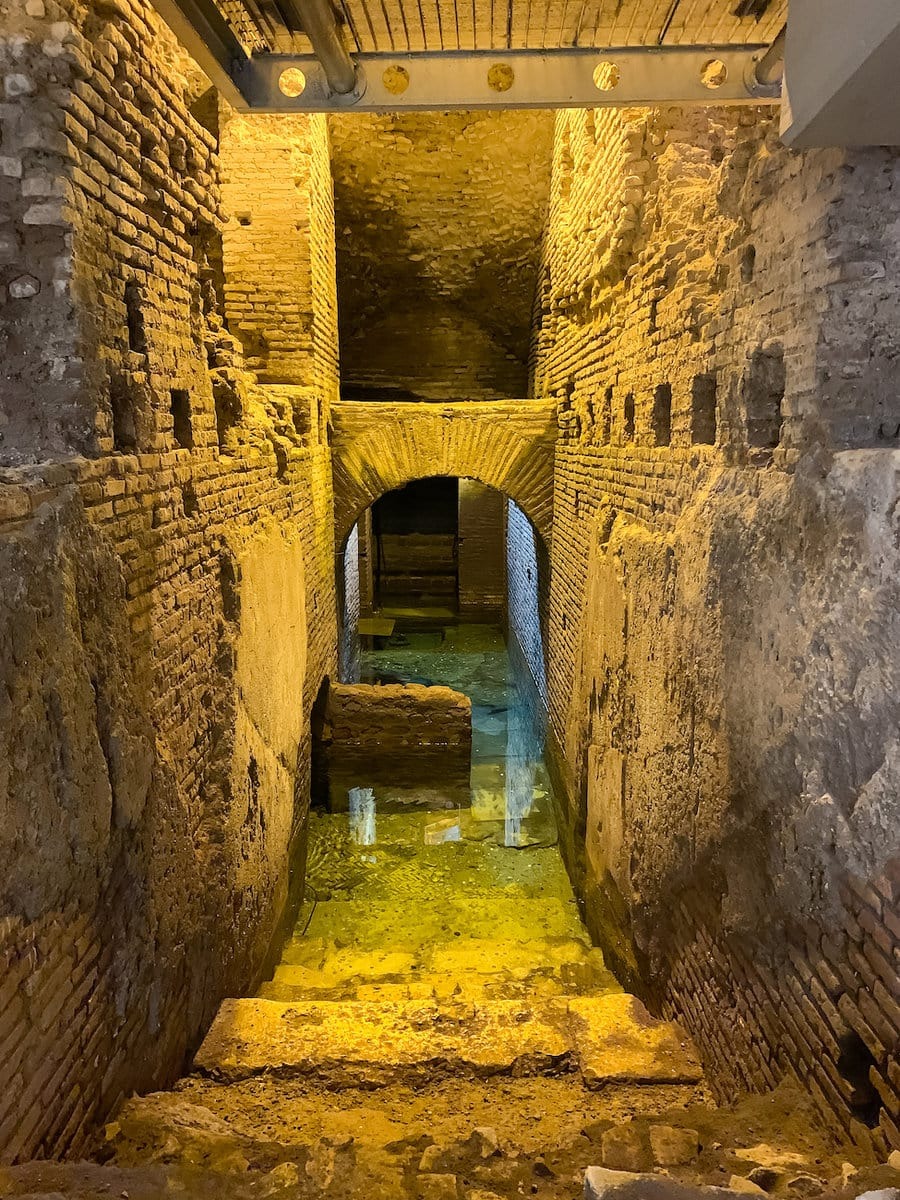
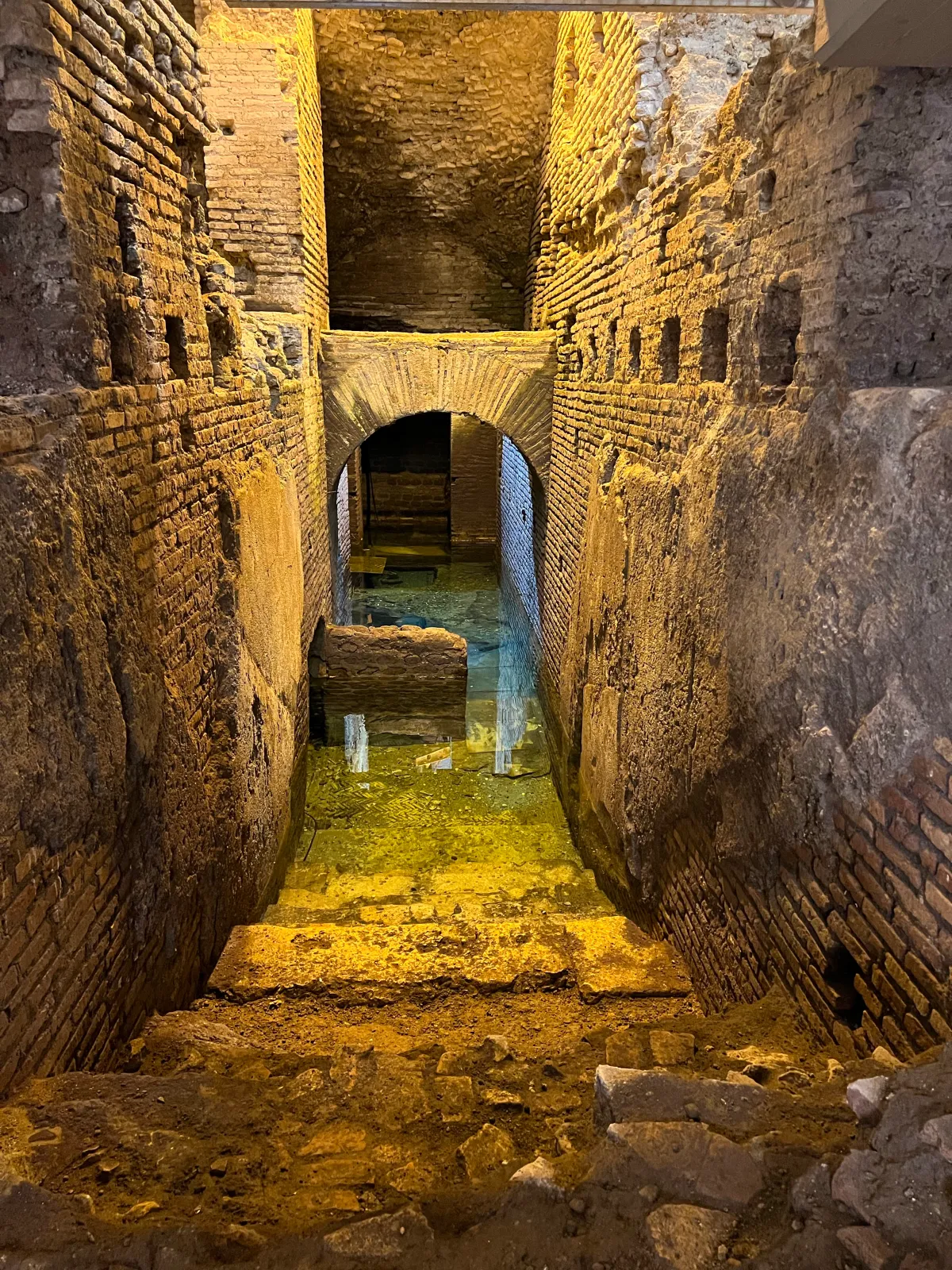
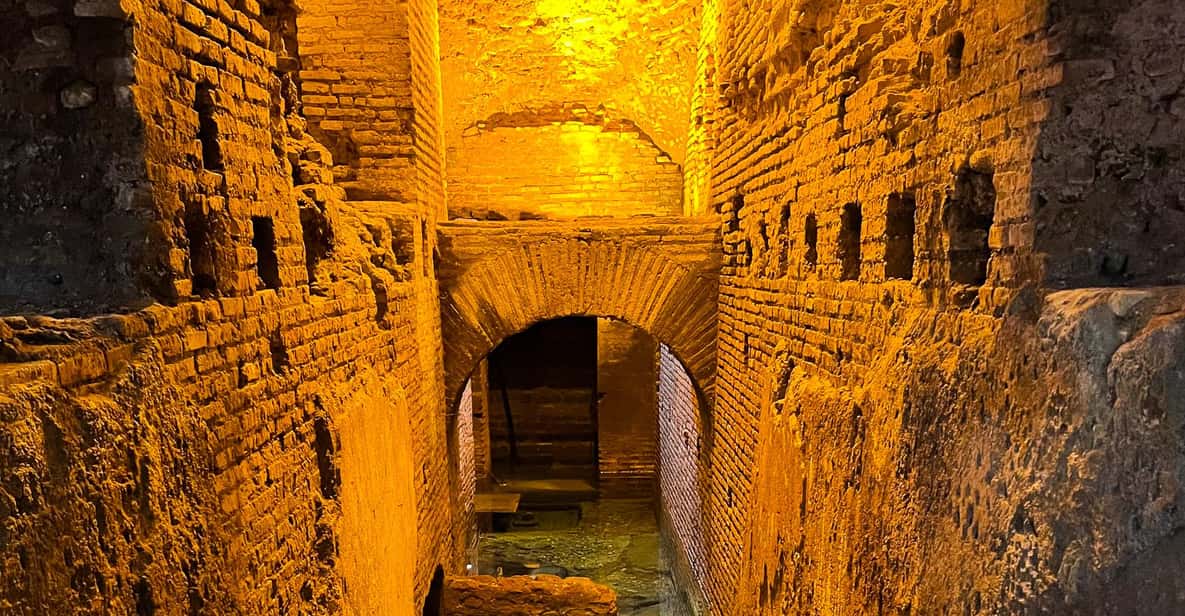
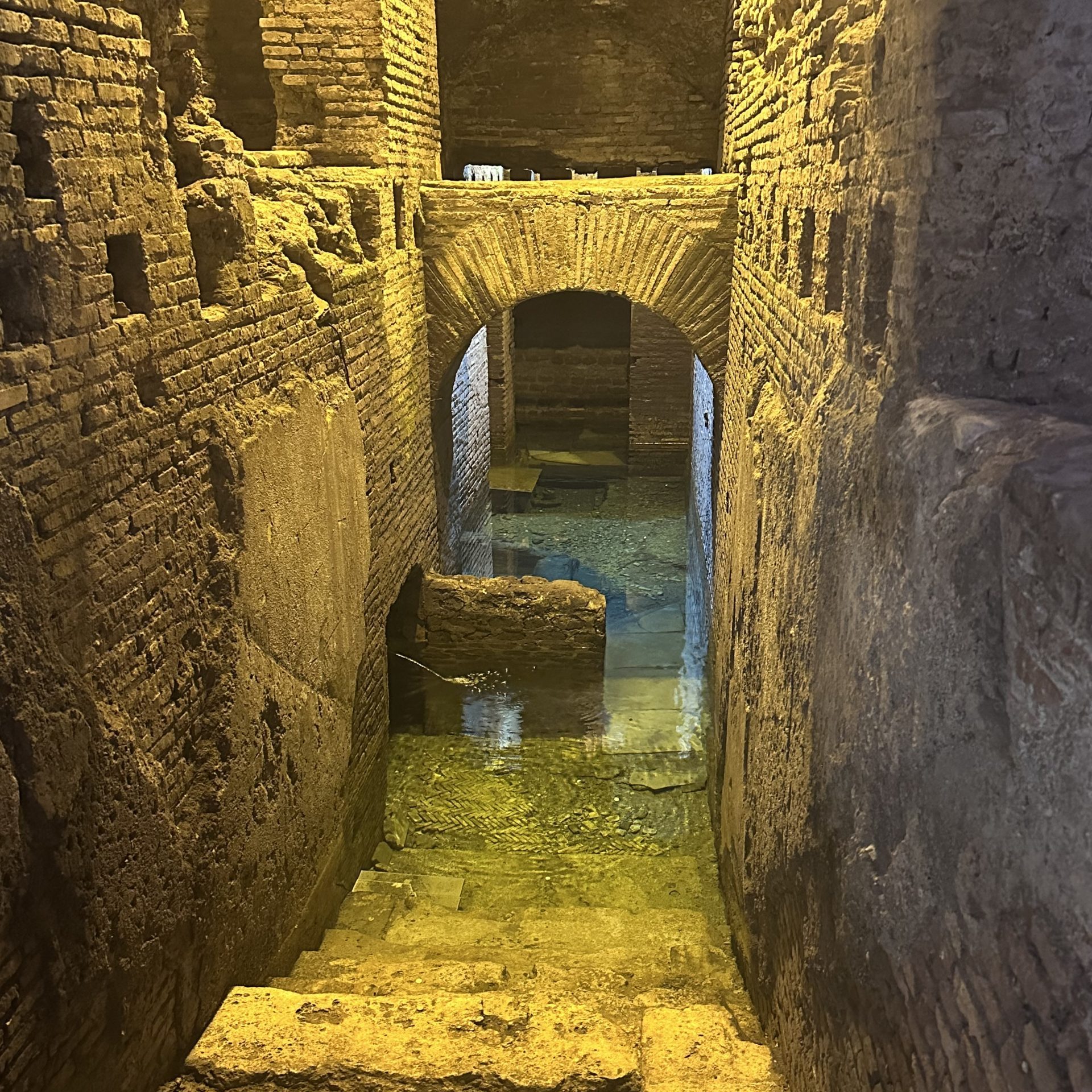
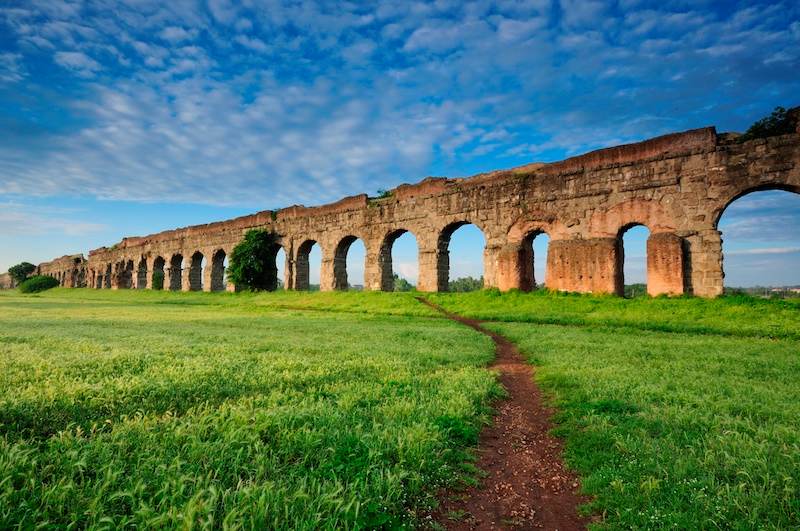
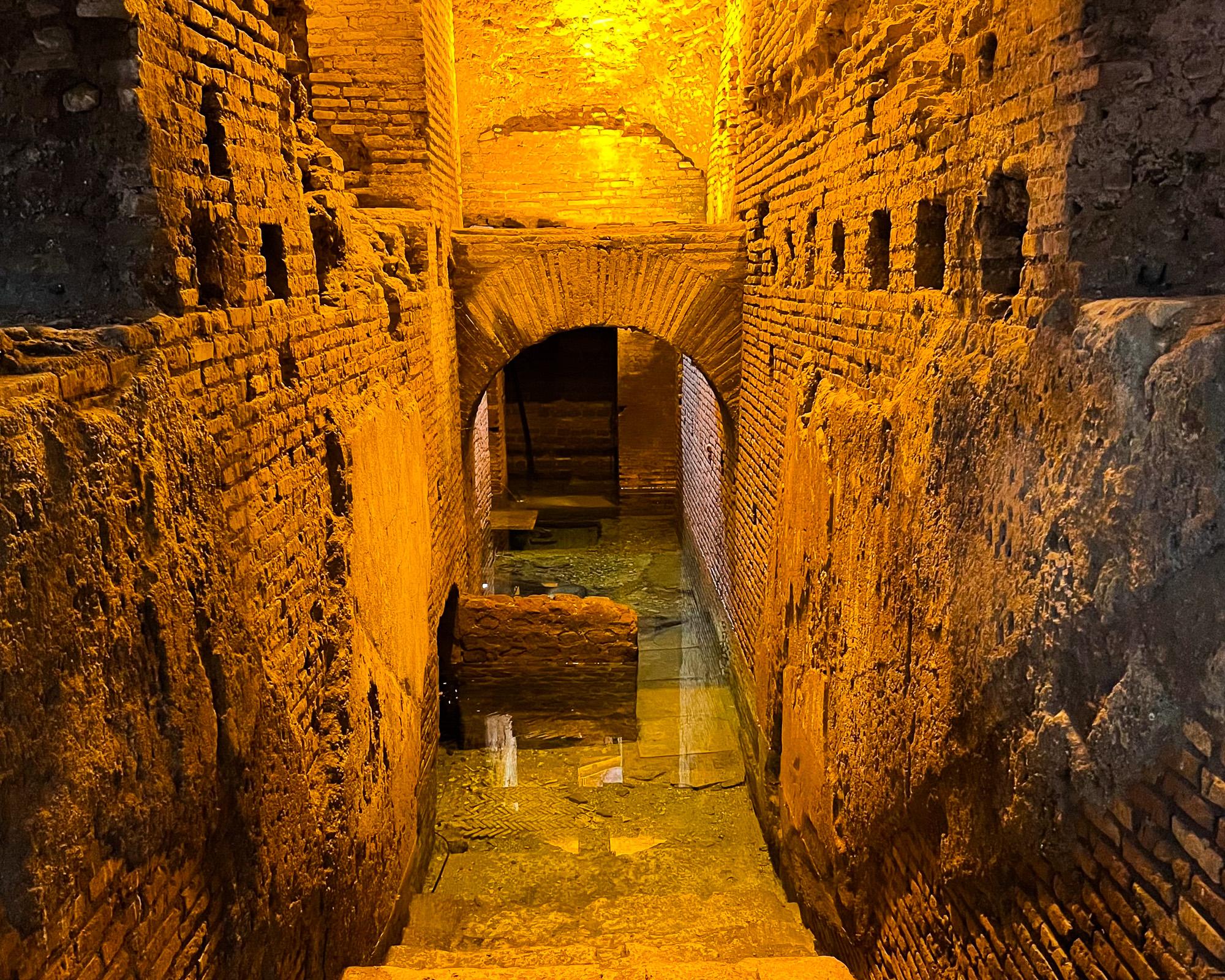
When workers cleared a derelict cinema near Vicolo del Puttarello in the 1990s, they uncovered a four-storey insula and a stretch of the Aqua Virgo — the same aqueduct, commissioned in 19 BCE, that still feeds the basin above.
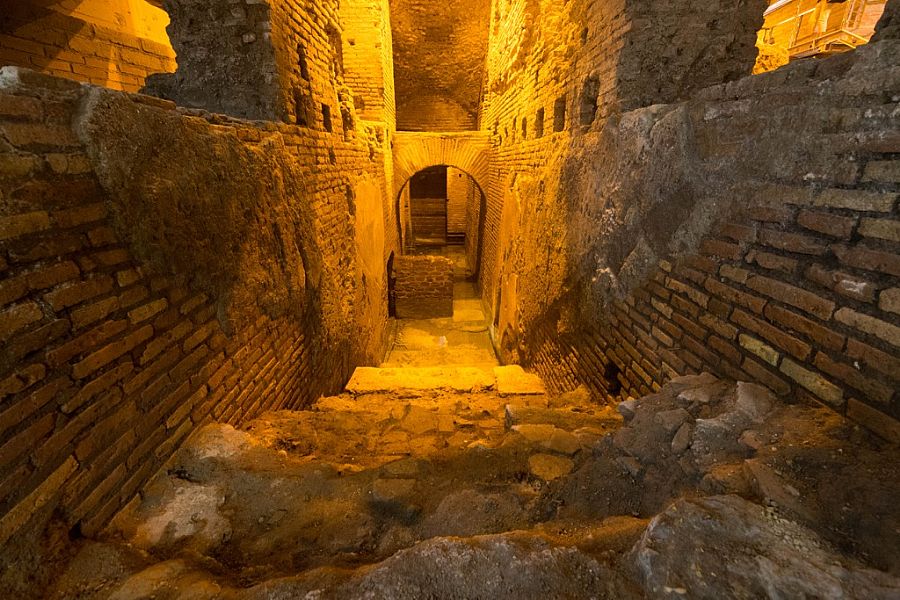
The trevi fountain underground site, known formally as Vicus Caprarius or the Città dell'Acqua, preserves travertine walls, marble fragments of imperial portraits, and a cistern where the water remains cold and clear.
A trevi fountain underground tour reframes the famous Baroque facade as the visible end of a 21-kilometre engineering line. Visitors on a vicus caprarius tour read Latin graffiti, follow the aqueduct's flow, and trace tenement floor plans. The trevi fountain archaeology tour and the broader underground trevi fountain tour route together turn one of Rome's busiest piazzas into a layered, walkable history of urban water.
"The famous basin is only the visible end of a 21-kilometre engineering line."
A step-by-step walkthrough of Trevi Fountain Underground tickets — what you'll see, how long each stage takes, and the details that matter.
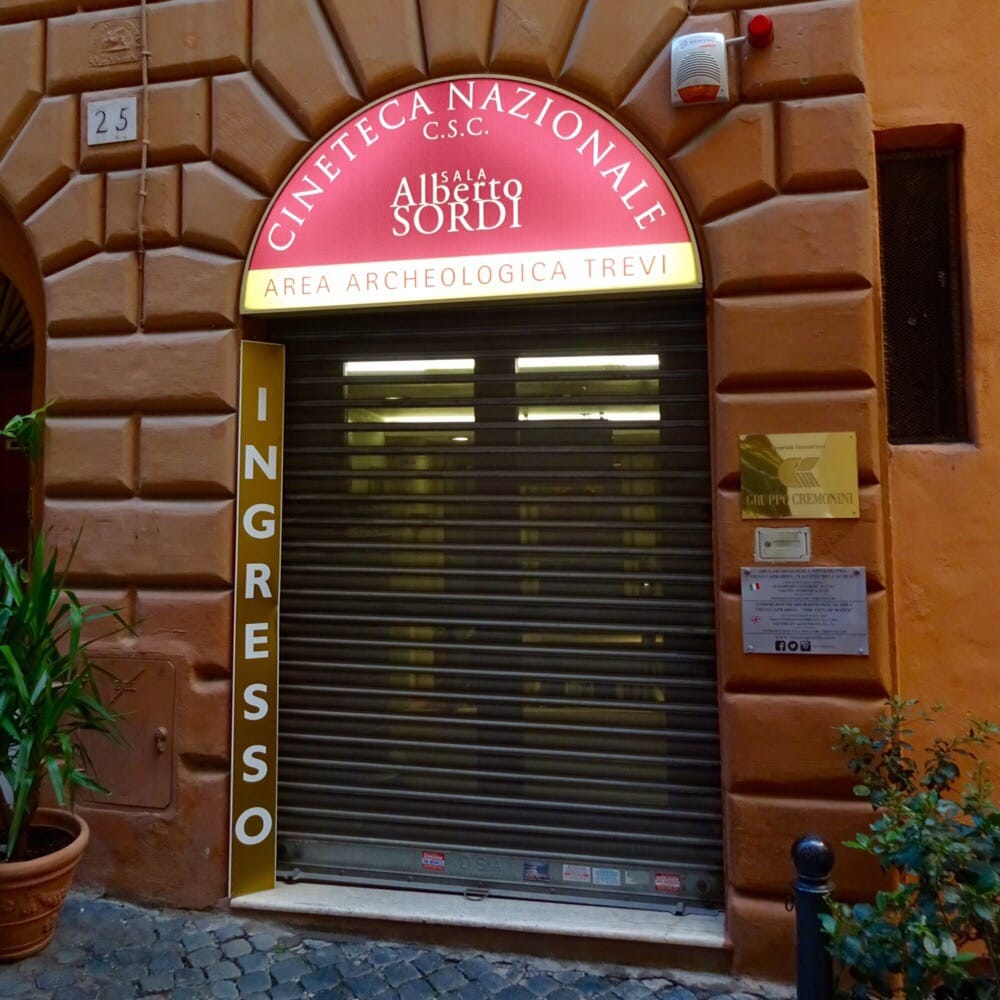
You arrive at Vicolo del Puttarello 25 a few minutes before your 11:00 slot, the opening window when the timed-entry system is calmest. A short flight of stairs takes you nine metres below the modern street, where the temperature drops and the noise of the piazza thins to nothing.
You pause at the Aqua Virgo channel, watch the current move, and lean in to read graffiti scratched into plaster. A guide on the trevi fountain underground tour points out a marble head of Alexander Severus, then walks you through the insula's narrow rooms. You pay the 4 EUR entry, pocket the printed map, and climb back up to find the fountain's spray waiting in the afternoon sun.
The landmarks, rooms, and views travelers on Trevi Fountain Underground tours remember — all visible on a single visit.
This distribution tank of the ancient Virgin Aqueduct — the same water source that feeds the Trevi Fountain above — was uncovered at a depth of more than 9 metres and still has water filtering through its 2,000-year-old masonry.
The residential complex was converted into a stately domus in the mid-4th century, and its opus latericium brick walls survive to a height of approximately 8 metres — exceptional preservation for urban Roman archaeology.
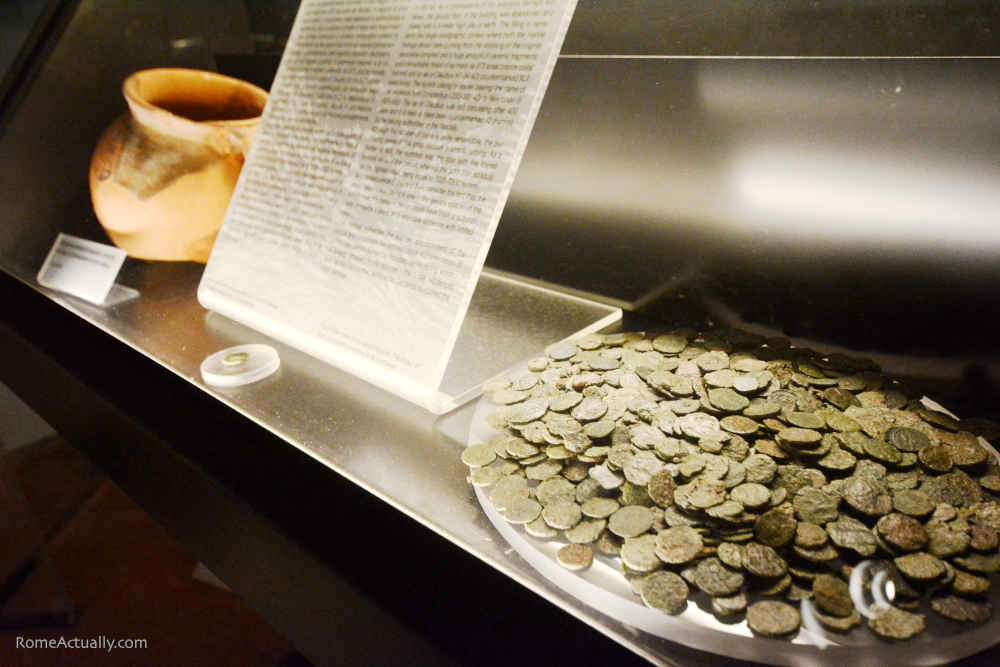
Excavations recovered a hoard of over 800 Roman coins deposited at various periods, now displayed in the on-site antiquarium; the concentration of denominations spans centuries of monetary history in a single find context.
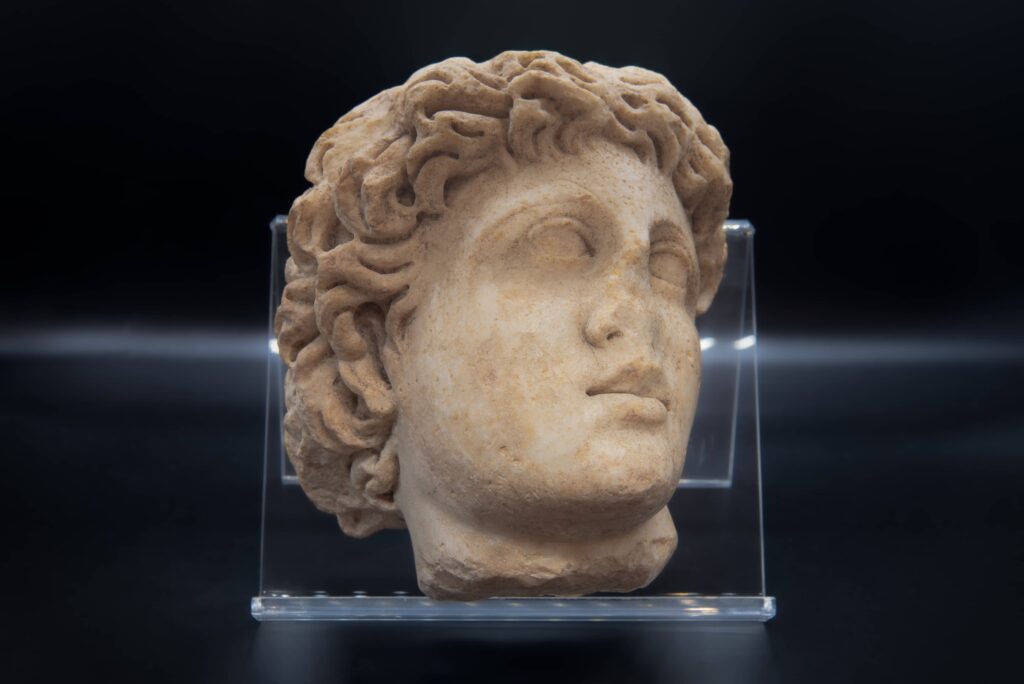
This marble portrait head, one of the most discussed finds from the excavation, is identified as a depiction of Alexander Helios, son of Mark Antony and Cleopatra, and constitutes a rare example of Ptolemaic royal portraiture in Rome.
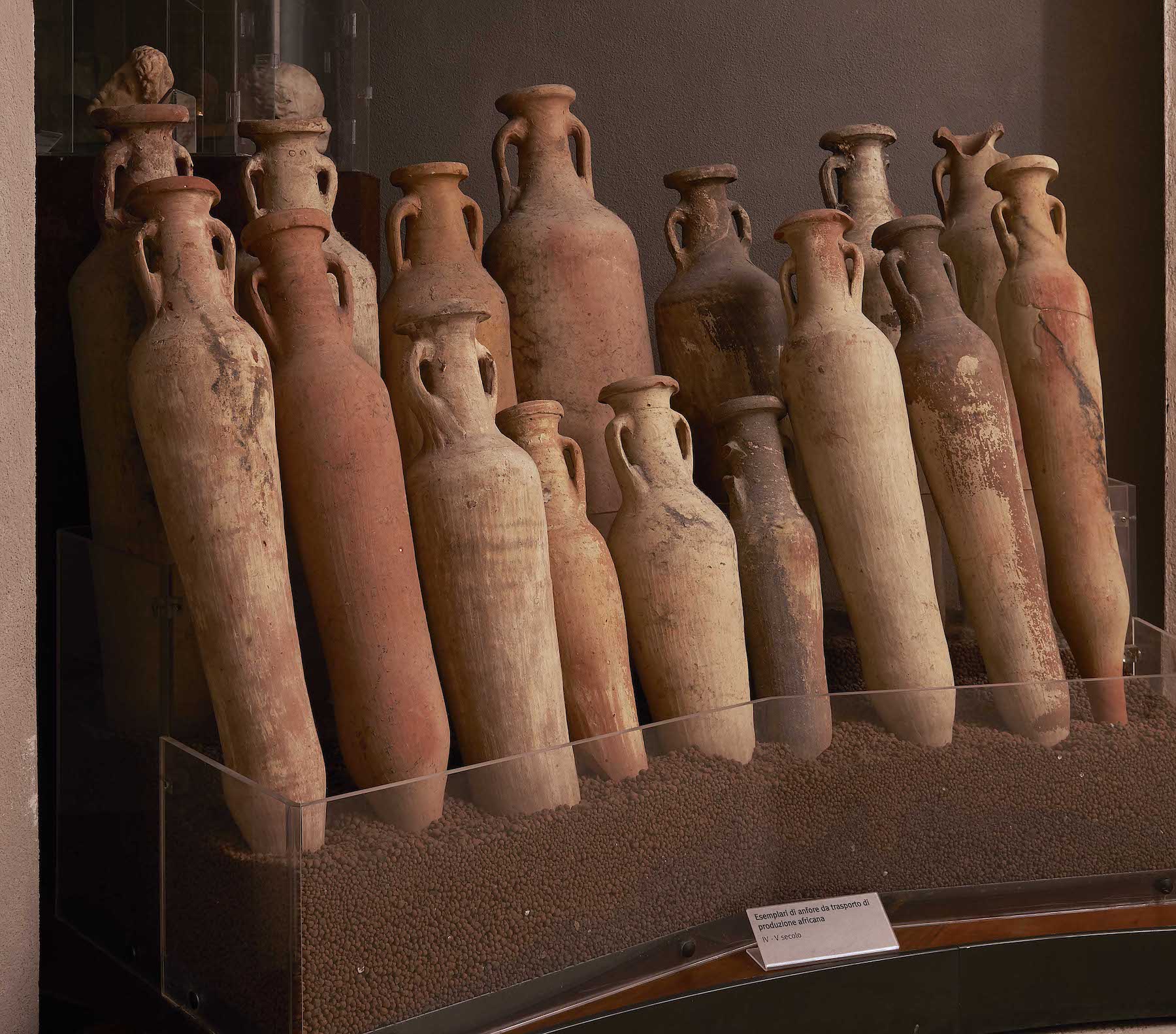
The antiquarium's third section displays spatheia and African amphorae used to transport oil across the Roman Mediterranean, providing material evidence of the supply networks that sustained this high-status urban residence.
Every Trevi Fountain Underground tour side-by-side — duration, what's included, how you redeem.
| Experience | From | Duration | Transfers | Pickup | Lunch | Tax inc. | Free cancel. | Price | |
|---|---|---|---|---|---|---|---|---|---|
|
Skip-the-line Most popular
Rome Highlights: Pantheon, Trevi, Spanish Steps & Navona Guided Tour
|
— | 2 hr 30 min | — | — | — | — | ✓ | €39 | Book → |
|
Guided Experience
Rome: Trevi Fountain & Underground Guided Tour
|
— | 40 min | — | — | — | — | ✓ | €35 | Book → |
|
Standard Entry
Rome: Trevi Fountain & Vicus Caprarius Underground Tour
|
— | 1 hr | — | — | — | — | ✓ | €44 | Book → |
|
Premium Combo
Rome: Trevi Fountain Underground & Galleria Sciarra Small-Group Tour
|
— | 2 hr | — | — | — | — | ✓ | €69 | Book → |
|
Luxury / Private
Underground Rome: Semiprivate Guided Tour
|
— | 2 hr | — | — | — | — | ✓ | €180 | Book → |
All prices from verified partners. Availability and exact terms confirmed at checkout.
Choose your ticket, select your date, and reserve in under two minutes. Secure checkout handled by our verified partner.
Instant confirmation by email, with a mobile voucher you can save offline. No printing, no queuing at a collection desk.
Arrive at the entrance, show your voucher on your phone, and walk in. Most tickets include priority or skip-the-line access.
Practical details for Trevi Fountain Underground tickets straight from our verified partners — hours, access, rules, and how to get there.
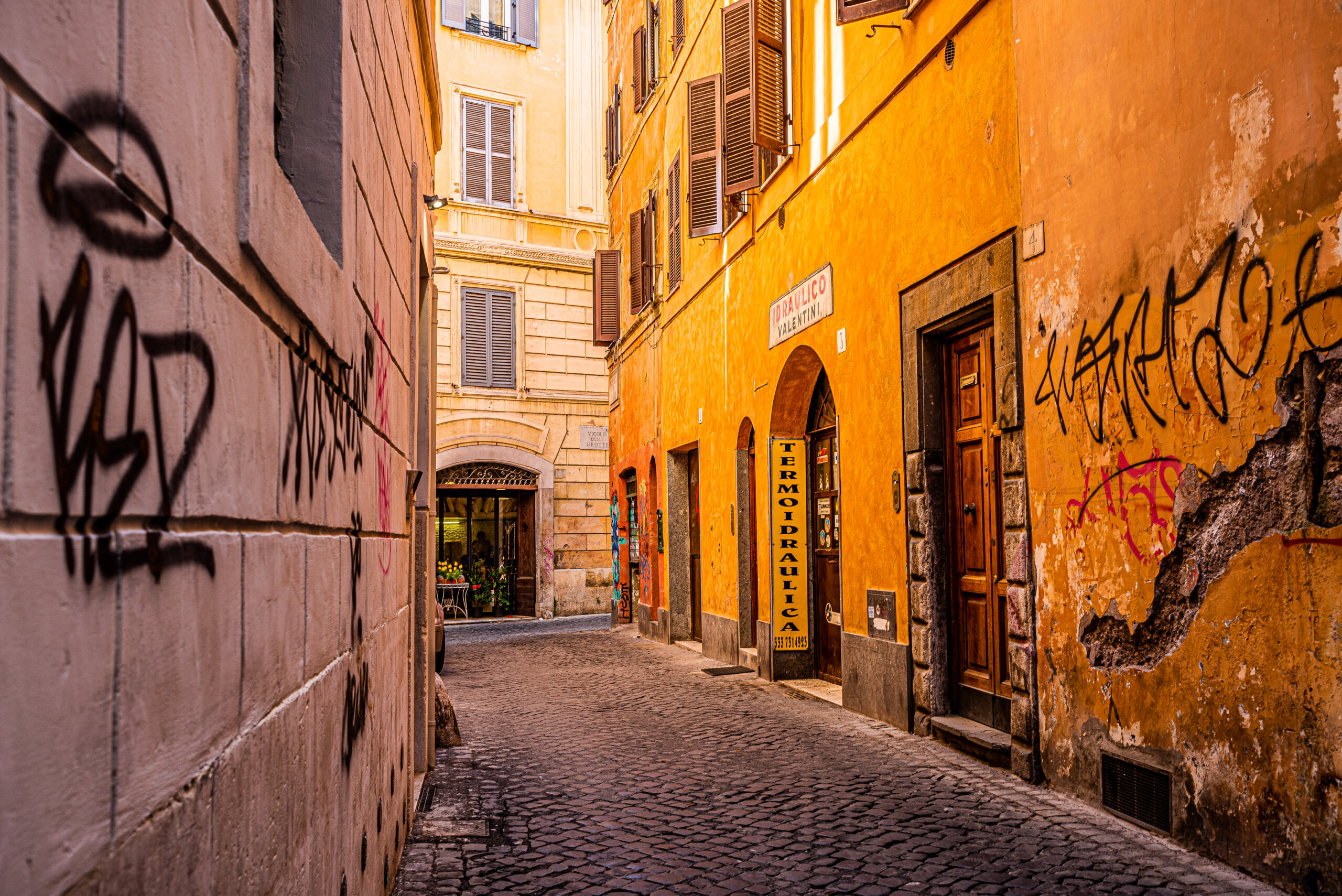
Vicolo del Puttarello 25, 00187 Rome
Small blue sign on wall; entrance is set slightly back from the lane. Look for the Vicus Caprarius logo. Staff available from 11:00.
Open in Google MapsTake Metro Line A to Barberini station, then walk approximately 10 minutes south via Via del Tritone and Via della Stamperia to Vicolo del Puttarello.
From the Trevi Fountain piazza, walk around the left side of the fountain basin and turn into Vicolo del Puttarello; the entrance is 25 metres along on the right.
Taxis from Roma Termini station take approximately 15–20 minutes depending on traffic; ask for Vicolo del Puttarello 25.
Bike-sharing stations (Roma Capitale docked bikes and e-scooters) are available near the Pantheon and Piazza Barberini; cycle time from Termini area is 15–20 minutes.
No formal dress code is required at Vicus Caprarius. The underground site maintains a stable cool temperature of around 14–16°C year-round regardless of outside conditions, so a light layer or jacket is strongly advisable even in summer. Flat, closed-toe shoes are recommended as the floors are uneven ancient stone and can be damp.
The site has limited space underground, so large rucksacks and wheeled luggage must be left outside or at a nearby luggage storage. Small day bags and handbags are permitted. There is no formal security screening, but staff may ask visitors to store oversized bags before descending.
Personal photography and video for non-commercial use is permitted throughout the Vicus Caprarius archaeological site. Flash photography may be restricted near fragile finds in the antiquarium display cases — follow staff instructions. Tripods and professional lighting rigs require prior written permission from site management.
Vicus Caprarius is an underground archaeological site reached by descending stairs approximately 9 metres below street level. There is no lift, ramp, or wheelchair-accessible route to the excavation floor. Visitors with limited mobility should contact the site in advance via WhatsApp (+39 339 7786192) to discuss options. The antiquarium level at ground entry has some display cases that can be viewed without descending.
Mobile phones may be used for photography and audioguide apps throughout the site. Keep volume low or use earphones out of courtesy to other visitors in the confined underground space. Signal can be weak in the deepest excavation sections, so download any maps or reference materials before descending.
Vicus Caprarius is well suited to families with children aged 6 and above who can manage stairs and uneven paths. Children under 14 enter free. The site's coin treasure — over 800 ancient Roman coins recovered during excavation — tends to captivate young visitors. Self-guided tours last around 20 minutes, keeping attention spans engaged, while guided tours of about 40 minutes offer more storytelling for curious older children.
No food or drinks are permitted in the excavation area of the trevi fountain underground site. The Cremonini Group's Food Court Gourmet, located in the same building complex, offers a wide variety of Italian foods and is a convenient spot for a meal before or after your visit. Numerous cafes and trattorias line the streets immediately around the Trevi Fountain.
Pets are not permitted inside the archaeological site. Certified assistance and guide dogs are the sole exception and must have appropriate documentation. There are no outdoor kennelling facilities at the site entrance.
Audio guides in multiple languages are available for rent at 3.50 EUR per device and are recommended for self-guided visitors who want deeper context on the Aqua Virgo castellum aquae and the imperial domus structures. Guided tours (8 EUR per person) must be booked in advance and last approximately 40 minutes. Group and school visits should contact the site directly.
Vicolo del Puttarello 25, 00187 Rome
Small blue sign on wall; entrance is set slightly back from the lane. Look for the Vicus Caprarius logo. Staff available from 11:00.
Get directionsBest time to go, insider tips, nearby landmarks, and the cancellation fine print — flip through to skim what matters to you.
How crowds, weather, and events shift across the year.
Mild temperatures make walking the Trevi district comfortable; the underground site stays cool regardless, but shorter queues than summer make spring the optimal season.
Post-summer crowds thin out; the 11:00 opening slot on weekday mornings in October is among the quietest of the year.
The cool underground temperature (around 14–16°C) offers relief from Roman heat, but tourist volumes peak and weekend reservations fill days in advance.
Lowest visitor numbers of the year; the site's limited capacity means same-day weekday entry is often feasible, though December holidays bring short spikes.
Small details that turn a good visit into a great one.
Reservations are mandatory on weekends and public holidays. Send your name, visitor count, and preferred date to +39 339 7786192 (Tue–Sun, 10:00–16:00). Slots fill by midday on busy spring and summer Saturdays.
The 11:00–12:30 opening window at the trevi fountain underground site consistently has the lowest visitor density. Later slots, especially on Friday and Saturday afternoons, routinely fill to the site's limited capacity.
The excavation sits roughly 9 metres underground with a stable ambient temperature of around 14–16°C. Even in August when the streets above hit 32°C, the subterranean Roman archaeology feels distinctly cool.
The Trevi Fountain piazza is at its least crowded before 09:00. Visiting the fountain surface first, then returning for the 11:00 opening of the underground site, gives you both experiences at their calmest.
At 3.50 EUR extra, the audioguide provides narration on the Aqua Virgo aqueduct, the imperial domus, and the coin treasure that is otherwise hard to contextualise without a guide.
Personal photos of the excavation walls and aqueduct tanks are freely permitted. Flash is restricted near the antiquarium cases holding fragile polychrome marble fragments and the Alessandro Helios head — turn off flash before entering that section.
Non-bookable sights within a short walk — free to visit, easy to pair.
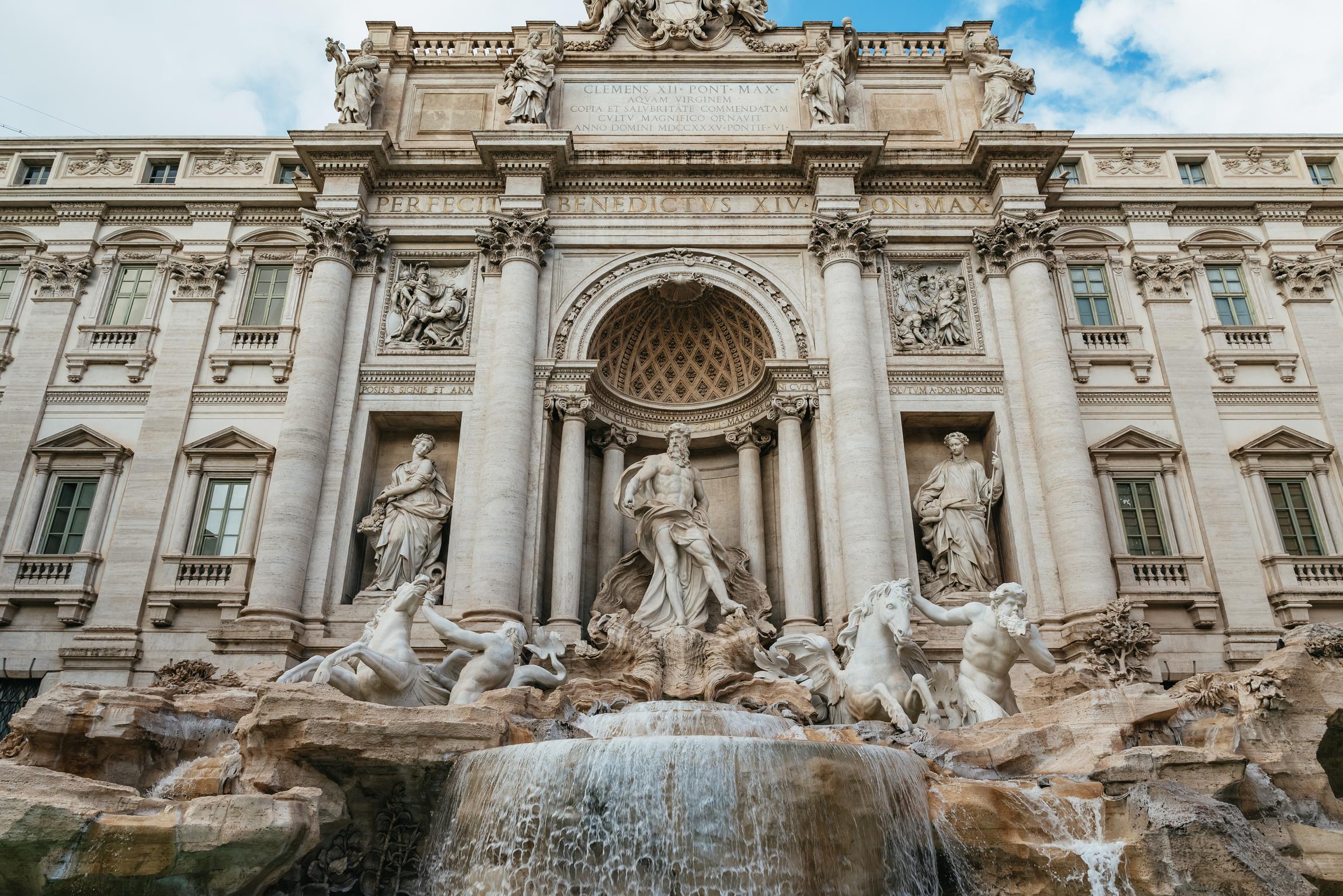
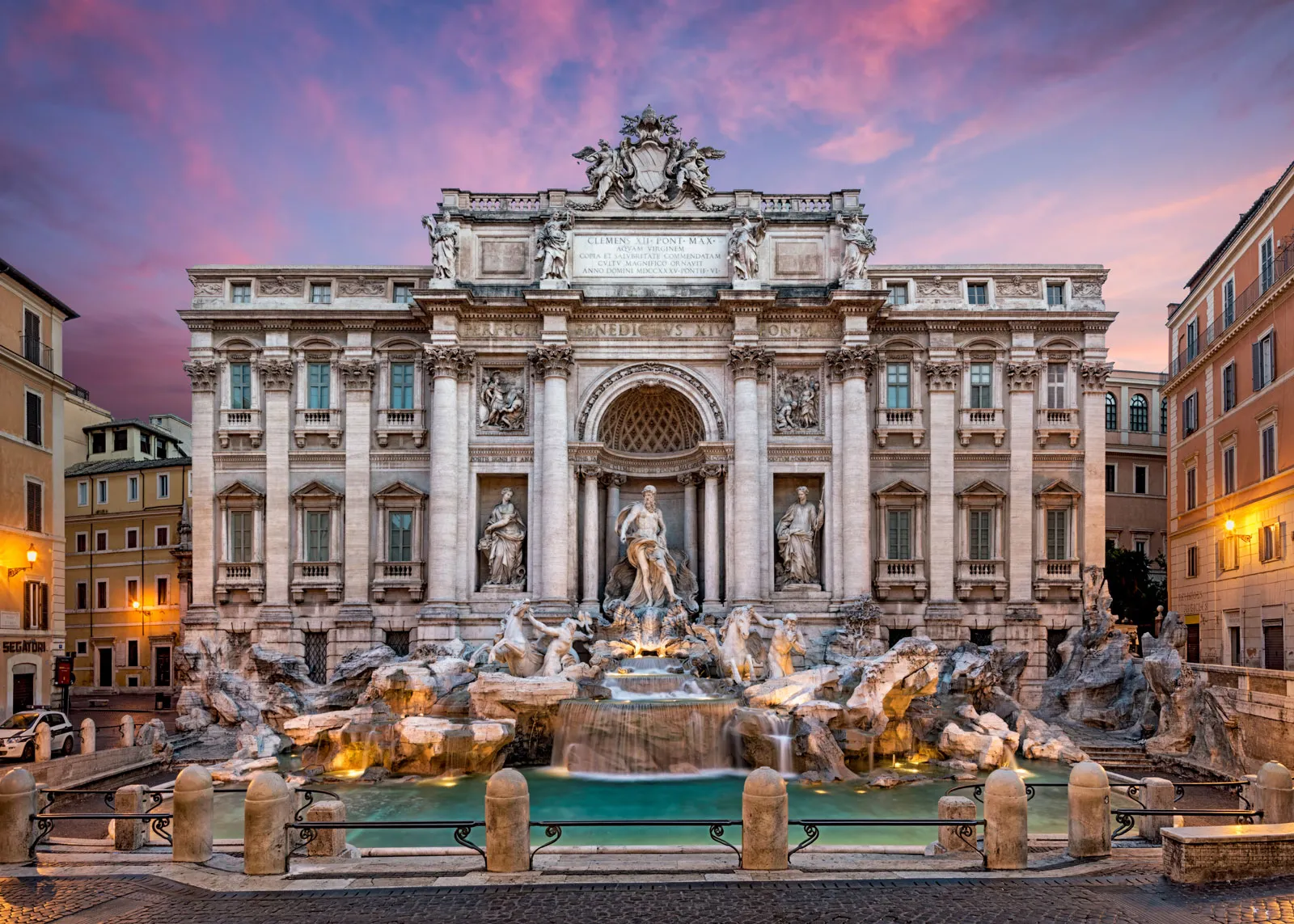
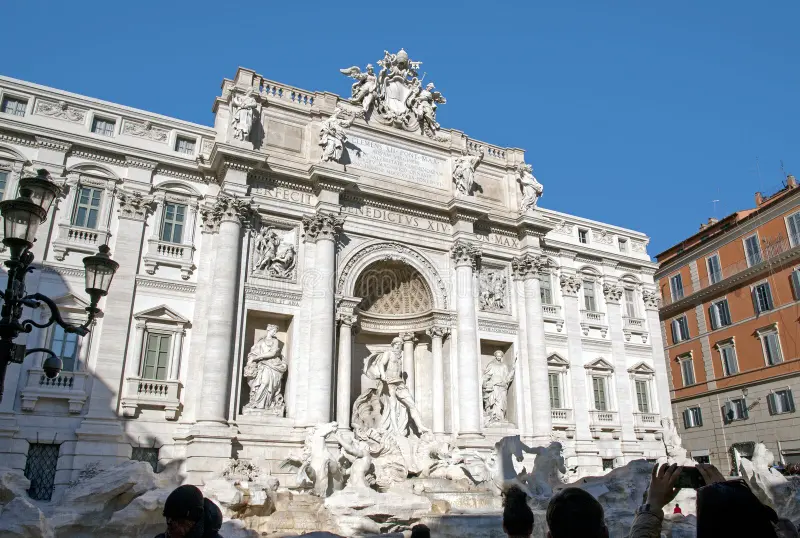
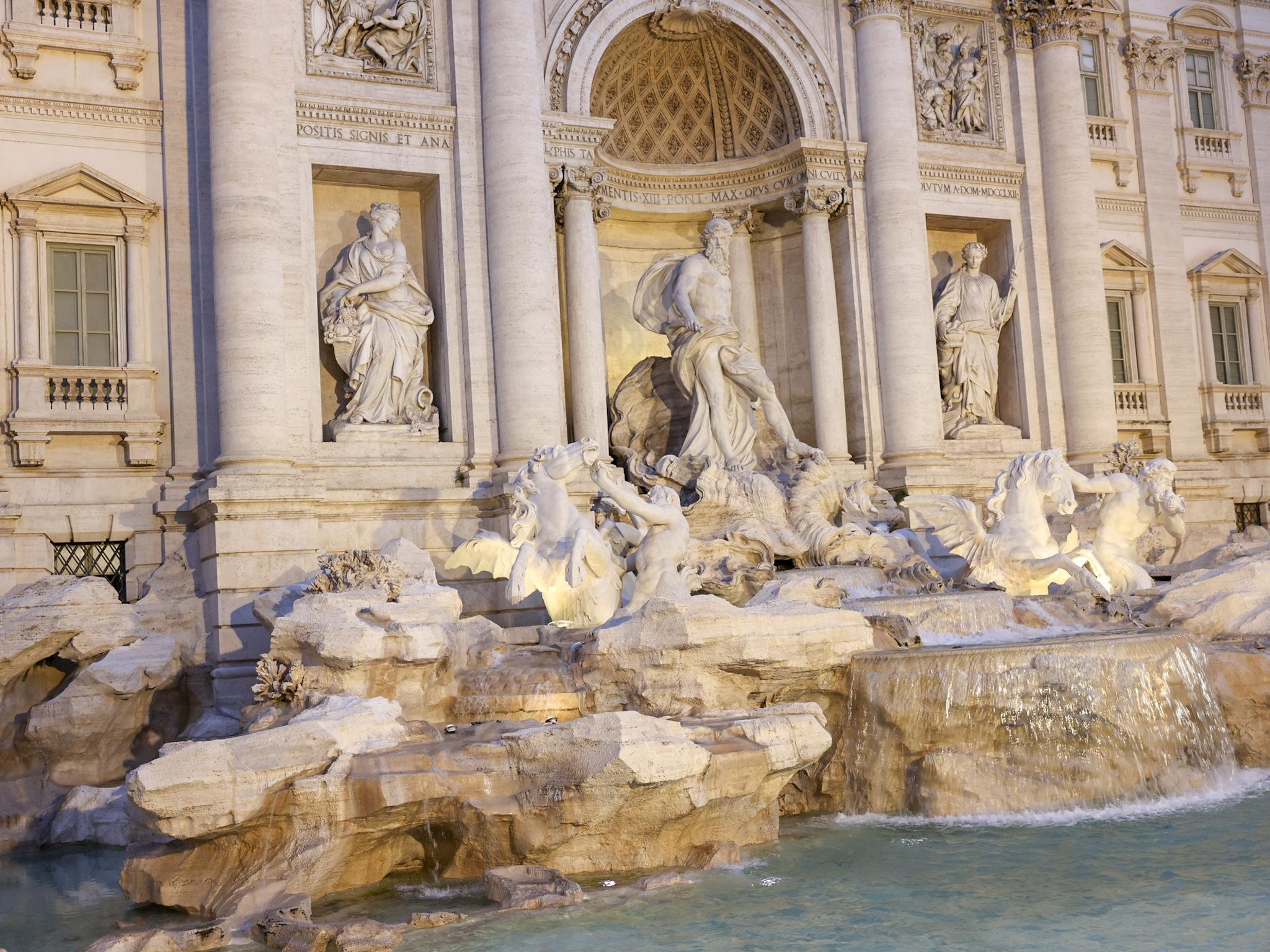
The 18th-century Baroque fountain by Nicola Salvi, whose Aqua Virgo water system feeds directly into the site below.
Houses the Istituto Nazionale per la Grafica; the facade forms the backdrop of the Trevi Fountain itself.
17th-century church opposite the fountain, known for its collection of preserved hearts and viscera of popes.
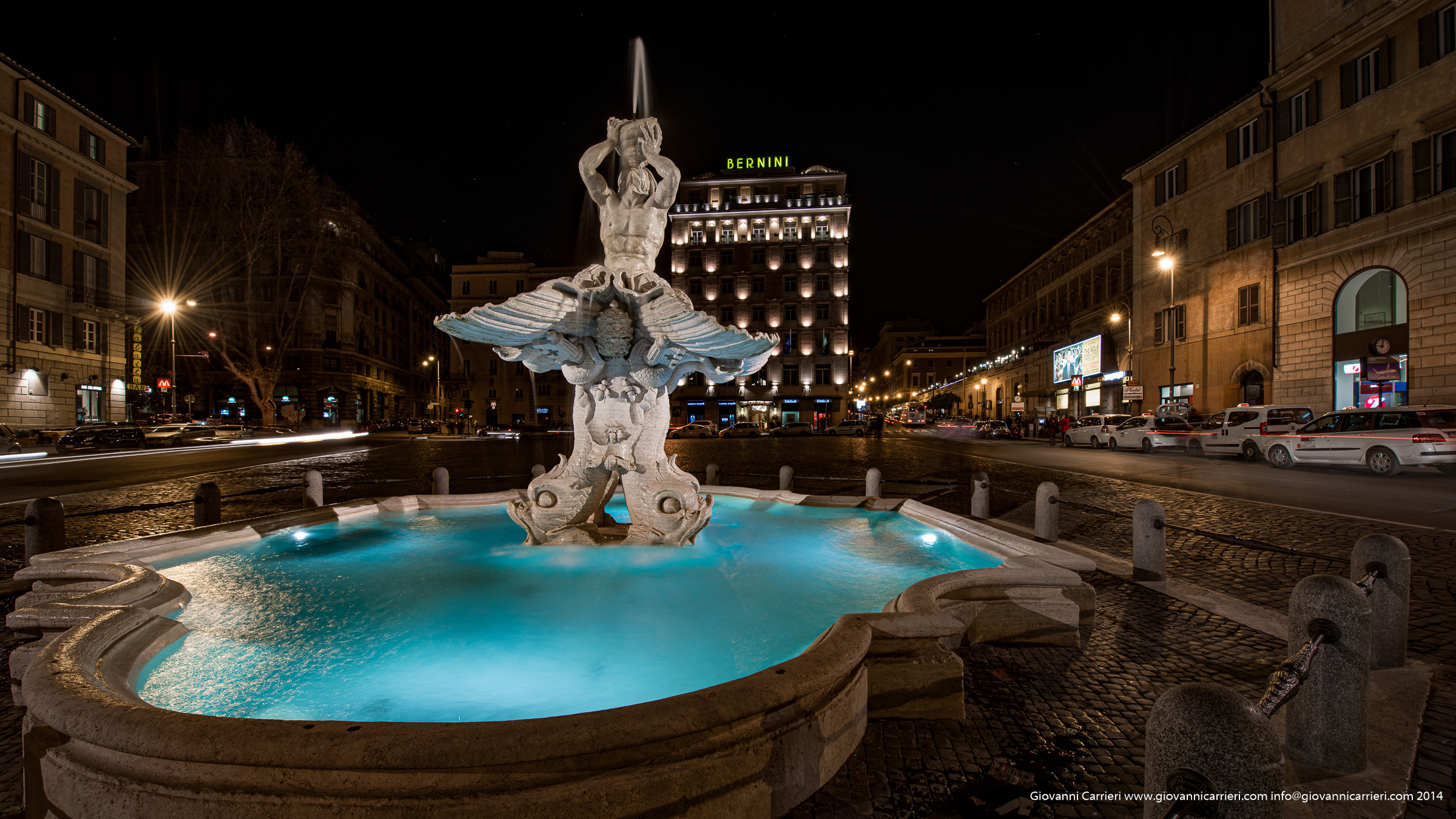
Bernini's Fontana del Tritone stands at the centre; the square connects Via Veneto with the historic centre.
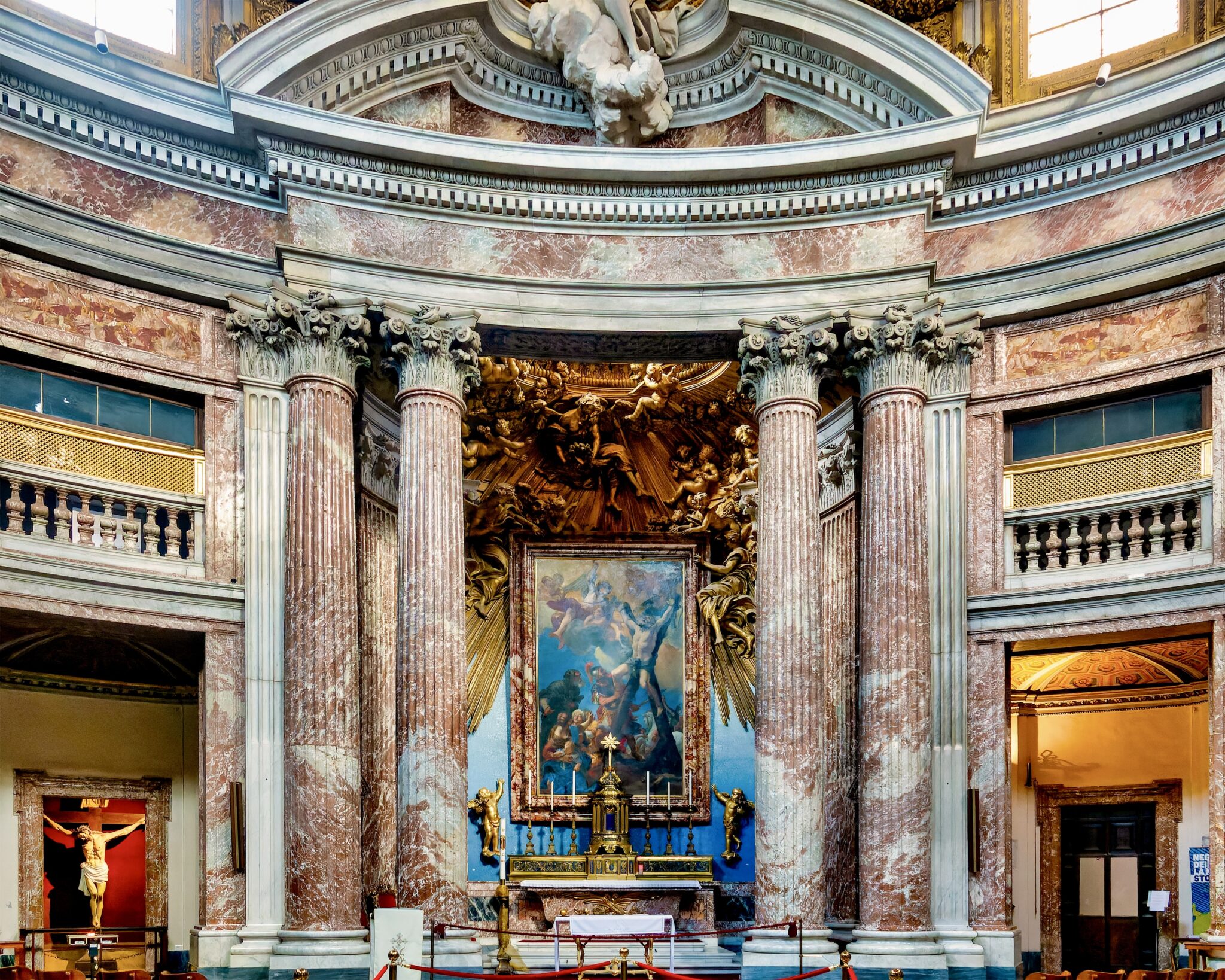
Bernini's oval Baroque church, often called his finest ecclesiastical work; free entry.
Flexible, no hidden fees.
To cancel your reservation, notify the site via WhatsApp at +39 339 7786192 as early as possible. The 4 EUR entrance fee is collected at the door on the day of visit, so no advance payment is typically at risk for standard self-guided bookings.
Hand-picked options within walking distance — pick a district for vibe, or a specific hotel for convenience.
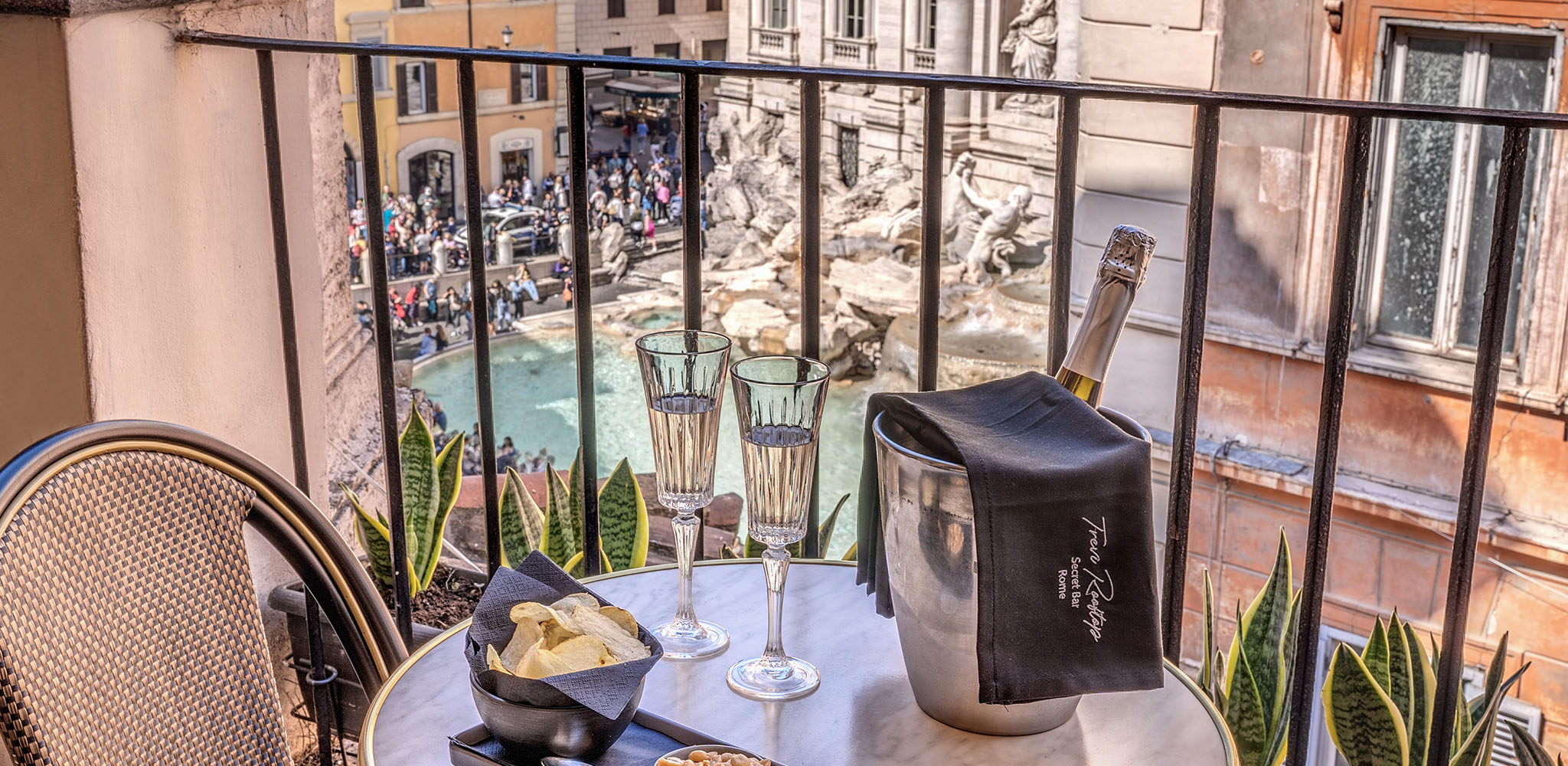
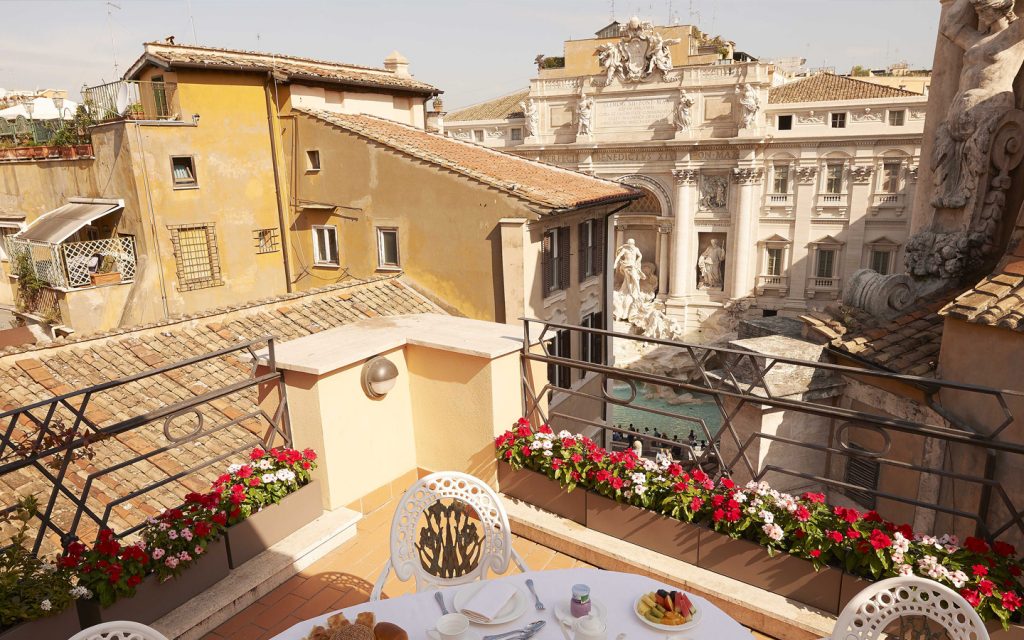
A boutique property with rooms overlooking the Trevi Fountain piazza; fills quickly in spring and summer.
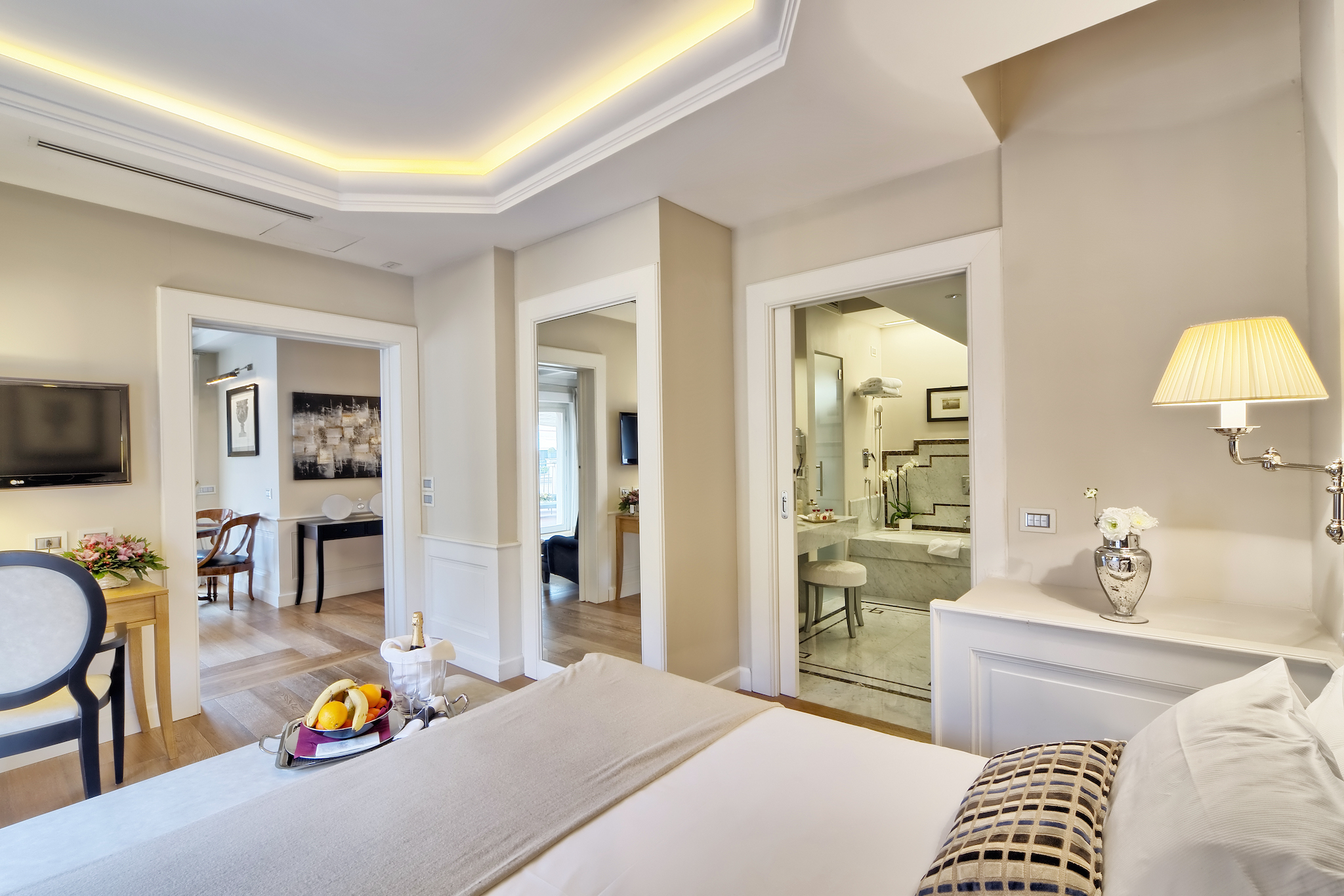
Modern rooms in the same Cremonini complex as the archaeological site; directly above the excavation.
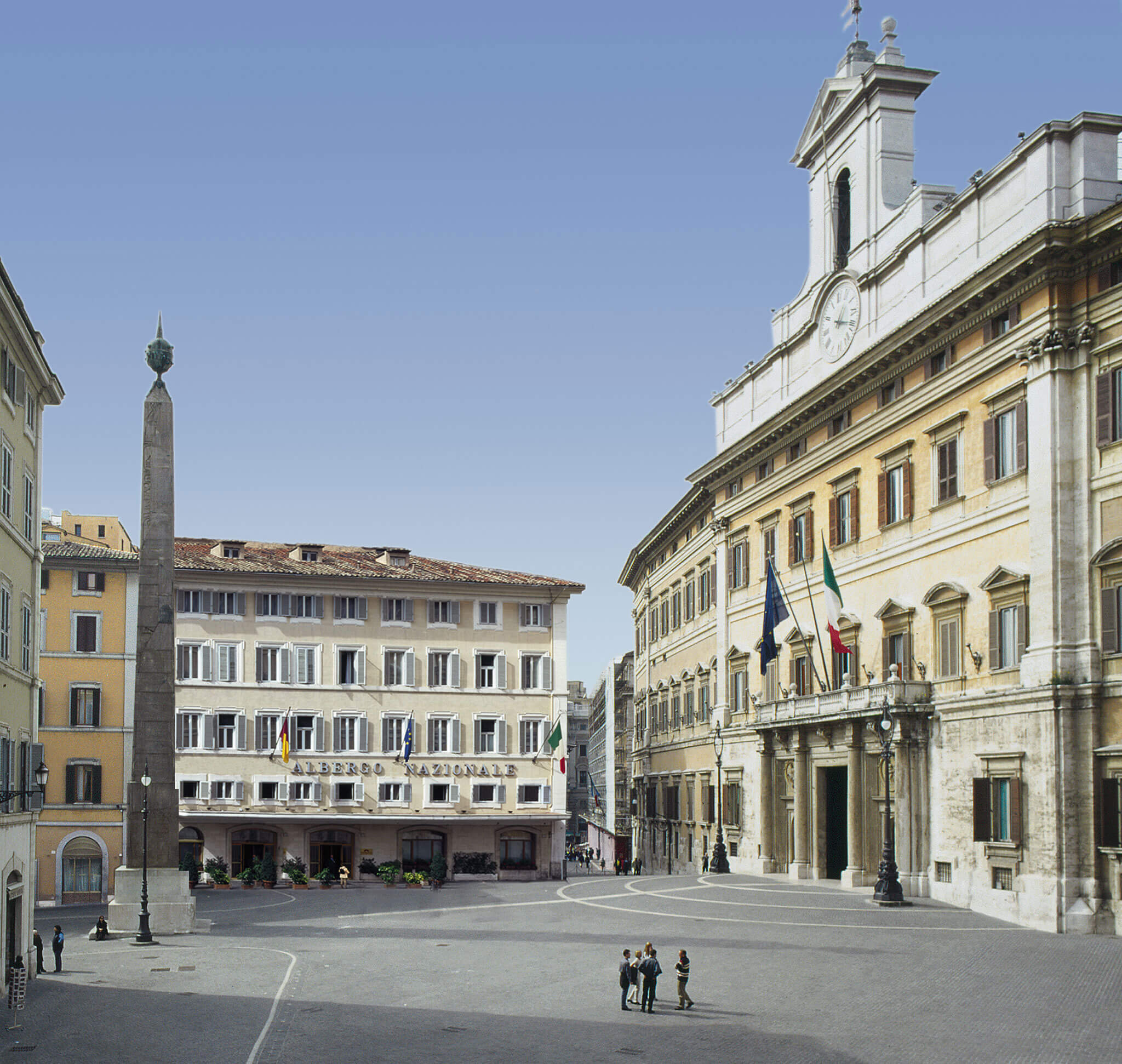
Facing Piazza Montecitorio near the Pantheon; reliable mid-range option with classic Roman character.
Several mid-range and budget B&Bs cluster on Via del Lavatore and surrounding lanes within 5 minutes of the site.
Well-regarded hostel near Termini station; a cost-effective base with easy Metro Line A access to Barberini.
Vicus Caprarius — the trevi fountain underground archaeological site — is open Tuesday to Sunday from 11:00 to 17:00, with last entry at 16:30. It is closed every Monday.
Last entry to the trevi fountain underground site is at 16:30. Timed entry slots run every 30 minutes and the final slot fills quickly, so plan to arrive by 16:00 at the latest if visiting late in the day.
A full adult ticket to the underground Trevi Fountain area costs 4 EUR. Reduced admission of 2.50 EUR applies to Roma Pass holders, EU students aged 18–25, and EU teachers. Visitors aged 14–17 pay 1 EUR, and under-14s enter free.
The Vicus Caprarius underground site is reached by descending stairs approximately 9 metres below street level. There is no lift or wheelchair-accessible route to the excavation floor, making the space not fully accessible for wheelchair users.
Personal photography is permitted throughout the trevi fountain underground excavation area. Flash photography is restricted near the antiquarium display cases to protect fragile finds; tripods and professional equipment require prior written permission.
The best time to visit the trevi fountain underground is during the 11:00–12:30 opening window on a Tuesday, Wednesday, or Thursday in spring or autumn, when visitor numbers are lowest. Weekends require mandatory reservations and fill up significantly faster.
Children under 14 enter the Città dell'Acqua underground site free of charge. Visitors aged 14–17 pay a reduced rate of 1 EUR. The coin hoard of over 800 ancient Roman coins is particularly engaging for younger visitors.
No food or open drinks are permitted in the excavation area of the trevi fountain underground site. A food court and Harry's Bar restaurant are available in the same building complex for meals before or after your visit.
Book trevi fountain underground tickets by sending a WhatsApp message to +39 339 7786192 with your full name, visitor count, preferred date, and tour type. The booking line is open Tuesday to Sunday from 10:00 to 16:00. Reservation is mandatory on weekends and holidays.
To cancel a booking at the Rome underground Trevi site, notify the team via WhatsApp at +39 339 7786192 as early as possible. Admission is paid at the door on arrival, so standard self-guided bookings do not involve an advance payment to forfeit.
The Trevi Fountain itself is a 1-minute walk from the underground site entrance; Palazzo Poli is 2 minutes away; Piazza Barberini with Bernini's Fontana del Tritone is an 8-minute walk. The Spanish Steps and Pantheon are each reachable in under 20 minutes on foot.
A self-guided tour of the Vicus Caprarius underground site takes approximately 20 minutes. A guided tour with a site guide lasts around 40 minutes and must be booked in advance at 8 EUR per person.